What Are the Common Signs of Hip Problems in Children That Parents Should Not Ignore?
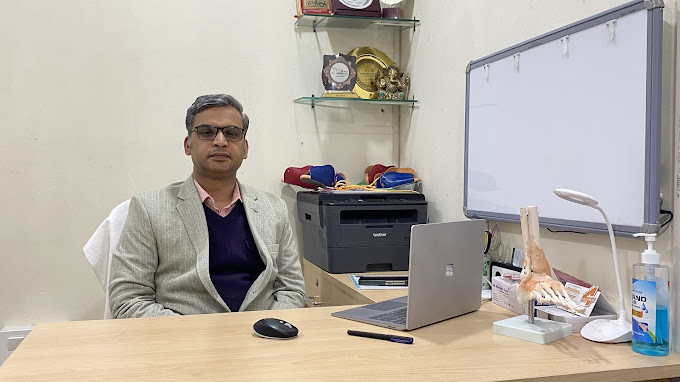
Children are constantly growing, and changes in their walking, running, or movement can sometimes be easy to overlook. However, persistent pain, limping, stiffness, or difficulty moving the legs may indicate an underlying hip problem. Knowing these warning signs can help parents seek timely medical advice. A Pediatric Hip Disorders Specialist in Ghaziabad can assess a child’s symptoms, identify possible causes, and recommend appropriate care when needed.
For fast information direct chat with us on WhatsApp.
Hip problems can affect children at different ages. Some conditions may be present from birth, while others can develop as a child grows. Early attention is important because children may not always be able to clearly explain what they are feeling.
Why Should Parents Pay Attention to Hip Health?
The hip is a major joint that helps children walk, run, sit, climb, and participate in everyday activities. When the joint does not function normally, a child may gradually change the way they move to avoid discomfort.
Parents may initially notice a small change, such as an uneven walking pattern or reluctance to participate in physical activities. These signs should not automatically cause alarm, but persistent or worsening symptoms deserve professional evaluation.
According to Little Bones, paying attention to changes in a child’s normal movement can help parents recognize when medical assessment may be appropriate.
Common Signs of Hip Problems in Children
Persistent Limping
A limp is one of the most noticeable changes parents may observe. A child may put less weight on one leg or walk differently from usual.
Occasional changes in walking may happen after minor injuries or strenuous activity. However, a limp that continues, returns frequently, or occurs without an obvious reason should be assessed by a healthcare professional.
A Pediatric Hip Disorders Specialist in Ghaziabad can examine the child’s walking pattern and hip movement to determine whether further evaluation is needed.
Hip, Groin, Thigh, or Knee Pain
Children with hip problems may not always point directly to their hip. Discomfort can sometimes be felt around the groin, thigh, or even knee.
This is why parents should take recurring leg or knee pain seriously, particularly when there is no clear explanation. Pain that interferes with walking, playing, sleeping, or other normal activities deserves attention.
Difficulty Walking or Running
A child who previously enjoyed running and playing may suddenly become slower or avoid certain activities. They may also appear uncomfortable when climbing stairs, getting up from the floor, or walking for longer periods.
If these changes persist, parents should consider discussing them with a pediatric orthopedic specialist rather than assuming the child will simply grow out of the problem.
Reduced Hip Movement
Stiffness or limited movement in one or both hips can be another warning sign. Parents may notice that a child has difficulty spreading the legs, putting on shoes, sitting comfortably, or performing movements that were previously easy.
Reduced range of motion can have different causes. A physical examination is often needed to understand what may be contributing to the restriction.
Unequal Leg Movement
Parents may notice that one leg moves differently from the other. One side may appear less flexible, or the child may consistently favor one leg.
In younger children, differences in leg movement can sometimes be subtle. Regular observation during activities such as walking, crawling, standing, or playing can help parents identify changes worth discussing with a specialist.
Refusal to Bear Weight
A child who suddenly refuses to stand or put weight on one leg needs prompt medical attention, especially if the change is unexplained or associated with significant pain.
Children may not always describe their symptoms accurately. A sudden change in their ability or willingness to walk should therefore be taken seriously.
Hip Problems in Babies and Younger Children
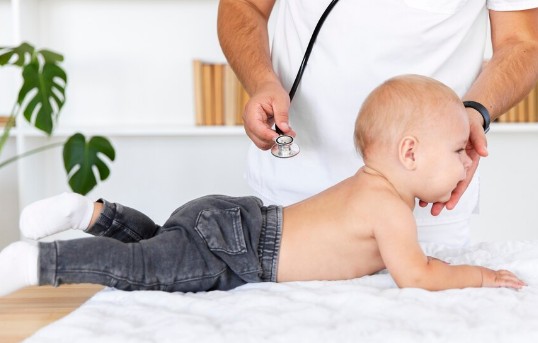
Hip concerns can sometimes appear differently in infants. Parents may notice that one leg does not move as freely as the other or that the legs appear to have different movement patterns.
During routine child healthcare visits, parents can discuss any concerns about hip movement, leg positioning, or development. If a concern is identified, a Pediatric Hip Disorders Specialist in Ghaziabad may recommend an appropriate clinical assessment.
Parents should avoid trying to diagnose a hip condition based only on how the legs look or move. Several conditions can produce similar signs, and professional evaluation is needed to understand the underlying issue.
When Should Parents Seek Medical Advice?
Parents should consider medical evaluation when a child has persistent hip, groin, thigh, or knee discomfort; an unexplained limp; reduced hip movement; difficulty walking; or a noticeable change in normal physical activity.
More urgent assessment may be appropriate when symptoms appear suddenly, the child cannot bear weight, or severe pain is present.
The right evaluation depends on the child’s age, symptoms, medical history, and physical examination. A Pediatric Hip Disorders Specialist in Ghaziabad can determine whether further tests or specialist treatment may be necessary.
What Can Parents Do Before the Appointment?
Parents can make the consultation more useful by observing when the symptoms started and whether they are getting better or worse. It can also help to note whether discomfort occurs during walking, running, sitting, or other activities.
If a child has a noticeable change in walking, parents can describe what they have observed rather than trying to identify the condition themselves. Avoiding activities that clearly increase discomfort until professional advice is obtained may also be sensible.
At Little Bones, understanding a child’s symptoms and movement patterns is an important part of addressing concerns about pediatric orthopedic health.
Our Google Maps location for physical visit
Conclusion
Hip problems in children may present through subtle changes rather than obvious pain. Limping, recurring hip or leg discomfort, restricted movement, difficulty walking, uneven leg movement, and refusal to bear weight are signs parents should not ignore.
Not every change in movement means a serious hip condition, but persistent or unexplained symptoms deserve appropriate medical attention. Early evaluation can help identify the cause and guide the next steps.
If you are concerned about your child’s walking pattern, hip movement, or recurring leg pain, consulting a Pediatric Hip Disorders Specialist in Ghaziabad can help you understand the problem and make informed decisions about care. Little Bones encourages parents to pay attention to changes in their child’s normal movement and seek professional guidance when concerns persist.