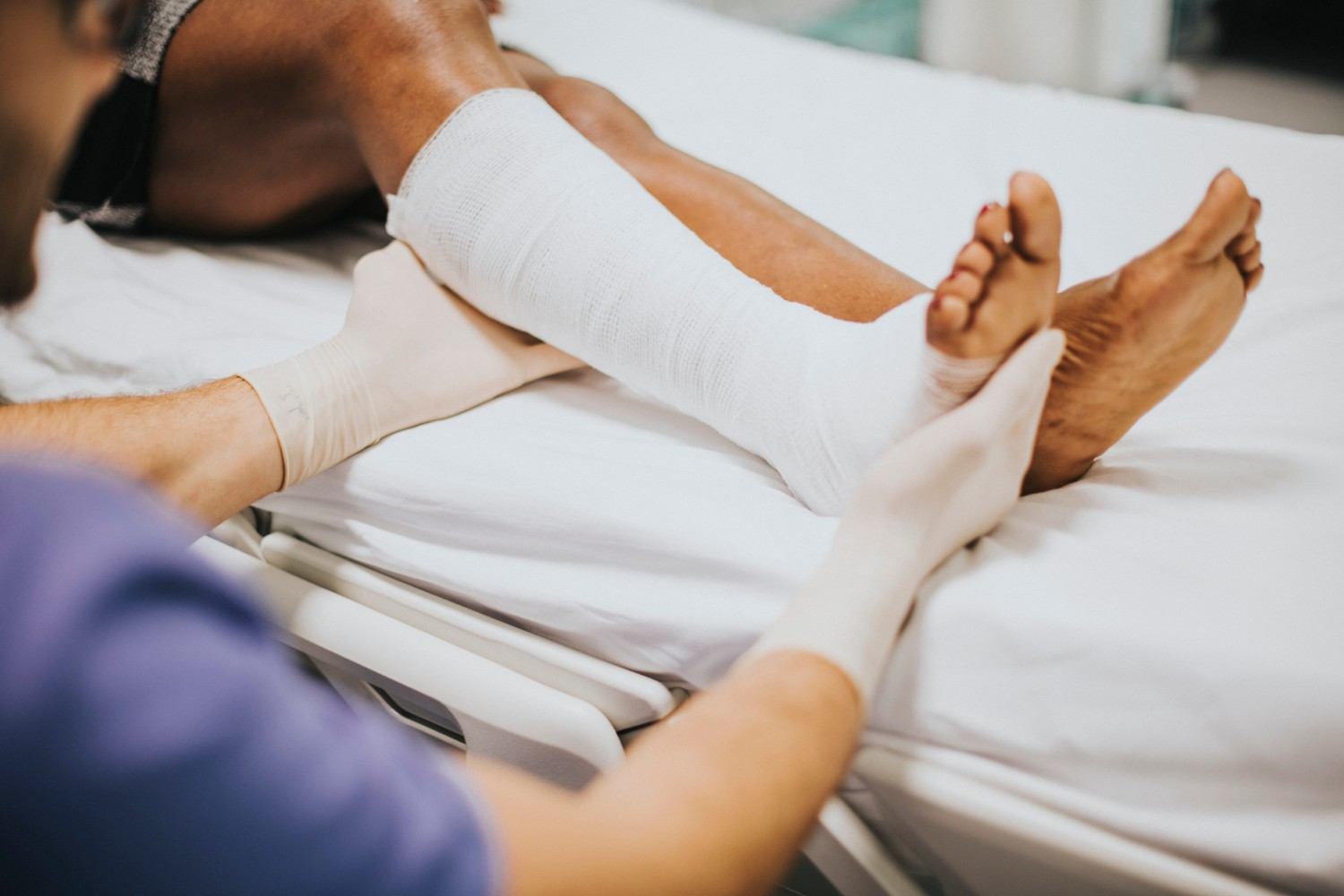
How Is a Fracture Diagnosed in Children?
Children are naturally active. Running, jumping, playing sports, and exploring their surroundings can sometimes lead to falls and injuries. When a child complains of severe pain after an accident, parents may wonder whether it is just a bruise or a broken bone. Understanding how doctors identify a fracture can make the situation less stressful. If a fracture is suspected, timely evaluation by a qualified healthcare professional is important. Families looking for Pediatric Fracture Treatment in Indirapuram can seek an appropriate assessment based on the child’s symptoms and injury.
At Little Bones, the focus is on understanding the injury carefully before deciding what treatment may be required. A fracture diagnosis is not based only on how much pain a child experiences. Doctors consider the injury history, physical signs, and imaging findings together.
For fast information direct chat with us on WhatsApp.
What Is a Fracture in a Child?
A fracture is a break or crack in a bone. Children’s bones are still developing, so some fractures can look different from those commonly seen in adults. Certain childhood fractures may bend or partially break rather than separating completely.
A child may develop a fracture after a fall, sports injury, road accident, or direct impact. However, even a seemingly minor injury can occasionally damage a bone. This is why persistent pain, swelling, or difficulty using an injured arm or leg should not be ignored.
How Do Doctors Diagnose a Fracture in Children?
Understanding How the Injury Happened
The first step is usually discussing the injury with the parent or child. The doctor may ask:
- When did the injury occur?
- Did the child fall, twist, or receive a direct blow?
- Which part of the body was injured?
- Did the child hear or feel a snap?
- Can the child move the affected limb?
- Has swelling or bruising developed?
These details help the doctor understand the possible type and location of the injury.
Physical Examination
After discussing the injury, the doctor examines the affected area. They may gently check for tenderness, swelling, bruising, unusual movement, or changes in the shape of the limb.
The doctor may also assess whether the child can move the nearby joints and use the injured limb normally. Circulation and nerve function may also be checked, particularly when the injury appears significant.
A child may become anxious during an examination, especially when the injured area is painful. At Little Bones, explaining each step in a child-friendly manner can help make the evaluation more comfortable.
X-Ray Examination
An X-ray is commonly used when a fracture is suspected. It provides images of the bones and can help the doctor identify many types of breaks, their location, and their alignment.
Depending on the injury, X-rays may be taken from different angles. The doctor may also compare the findings with the physical examination to determine whether further assessment is necessary.
Parents should remember that not every painful injury is a fracture, and not every fracture presents with the same symptoms. This is why professional evaluation matters when a child has suffered a significant injury.
Our Google Maps location for physical visit
Can Other Imaging Tests Be Needed?
In some situations, an X-ray may not provide all the information needed. Depending on the suspected injury, the doctor may recommend another imaging test.
Additional Imaging
Ultrasound, CT scans, or MRI may sometimes be considered for specific injuries or when more detailed information is required. The choice depends on the child’s symptoms, the suspected location of the injury, and what the doctor needs to evaluate.
The doctor will determine whether additional imaging is appropriate rather than using the same test for every child.
What Signs May Suggest a Broken Bone?
Parents should consider medical evaluation if a child develops symptoms such as:
- Significant pain after an injury
- Swelling around the injured area
- Bruising or tenderness
- Difficulty walking or putting weight on a leg
- Trouble moving an arm, hand, foot, or leg
- An unusual appearance or position of the limb
- Pain that continues or becomes worse after the injury
These signs do not automatically mean that a fracture has occurred. However, they can indicate that the child needs a proper examination.
Why Early Diagnosis Matters
Children are still growing, and some fractures can involve areas near the growth plates. Proper diagnosis helps doctors understand the nature of the injury and select an appropriate treatment approach.
Treatment may vary depending on the type and location of the fracture. Some injuries may be managed with immobilization, while others may require a different approach. The child’s age, bone development, fracture pattern, and alignment can all be relevant to treatment decisions.
For families considering Pediatric Fracture Treatment in Indirapuram, getting an accurate diagnosis is the first step toward appropriate care. Little Bones recommends that parents avoid relying solely on home observation when a serious fracture is suspected.
What Should Parents Do Before Seeing a Doctor?
If your child has suffered an injury and you suspect a fracture, keep the injured area as still as reasonably possible. Avoid forcing the child to walk or move the affected limb.
Parents should also avoid attempting to straighten a visibly deformed limb themselves. If the injury appears severe, particularly when there is significant swelling, deformity, or concerning changes in the hand or foot, prompt medical attention is important.
The goal is not to diagnose the fracture at home. Instead, parents should focus on keeping the child safe until professional assessment is available.
FAQ
How can I tell if my child has a fracture?
Pain, swelling, bruising, difficulty moving the limb, or an unusual appearance after an injury can suggest a fracture. However, only a medical examination and appropriate imaging can confirm many fractures.
Is an X-ray always required to diagnose a child’s fracture?
Not necessarily. The need for an X-ray depends on the injury and the doctor’s assessment. When a fracture is suspected, imaging may be used to understand the bone injury more clearly.
Can children have fractures that are difficult to notice?
Yes. Some childhood fractures may not cause obvious deformity. A child may mainly complain of pain or avoid using the injured body part. A proper assessment can help identify less obvious injuries.
Should my child walk on an injured leg if the pain is mild?
It is better not to encourage normal activity until the injury has been assessed if a fracture is suspected. Putting unnecessary stress on an injured area may worsen discomfort or the injury.
Where can I seek Pediatric Fracture Treatment in Indirapuram?
Parents can consult Little Bones for assessment of suspected pediatric fractures and other childhood bone and joint concerns. The appropriate treatment depends on the child’s examination and the nature of the injury.
Conclusion
A child’s fracture is diagnosed through a combination of the injury history, physical examination, and, when appropriate, imaging such as an X-ray. Because childhood fractures can vary considerably, a professional assessment is more reliable than trying to identify a broken bone based on symptoms alone.
If your child experiences significant pain, swelling, restricted movement, or an unusual appearance after an injury, timely medical evaluation can help identify the problem and guide the next step. For parents searching for Pediatric Fracture Treatment in Indirapuram, Little Bones can be considered for professional evaluation and care. Early attention can help ensure that the child’s injury is assessed appropriately and managed according to their individual needs.