What Types of Therapies Are Commonly Included in a Cerebral Palsy Rehabilitation Program?
Cerebral palsy can affect a child’s movement, balance, posture, and ability to perform everyday activities. Cerebral Palsy Rehabilitation in Ghaziabad can help children develop important skills through personalised therapy and ongoing professional support. The right rehabilitation program depends on each child’s age, physical abilities, developmental needs, and individual goals.
At Little Bones, the focus is on understanding each child’s needs and helping families explore suitable care options. Rehabilitation may involve several therapies that work together to support mobility, comfort, and greater independence.
For fast information direct chat with us on WhatsApp.
Physiotherapy for Cerebral Palsy
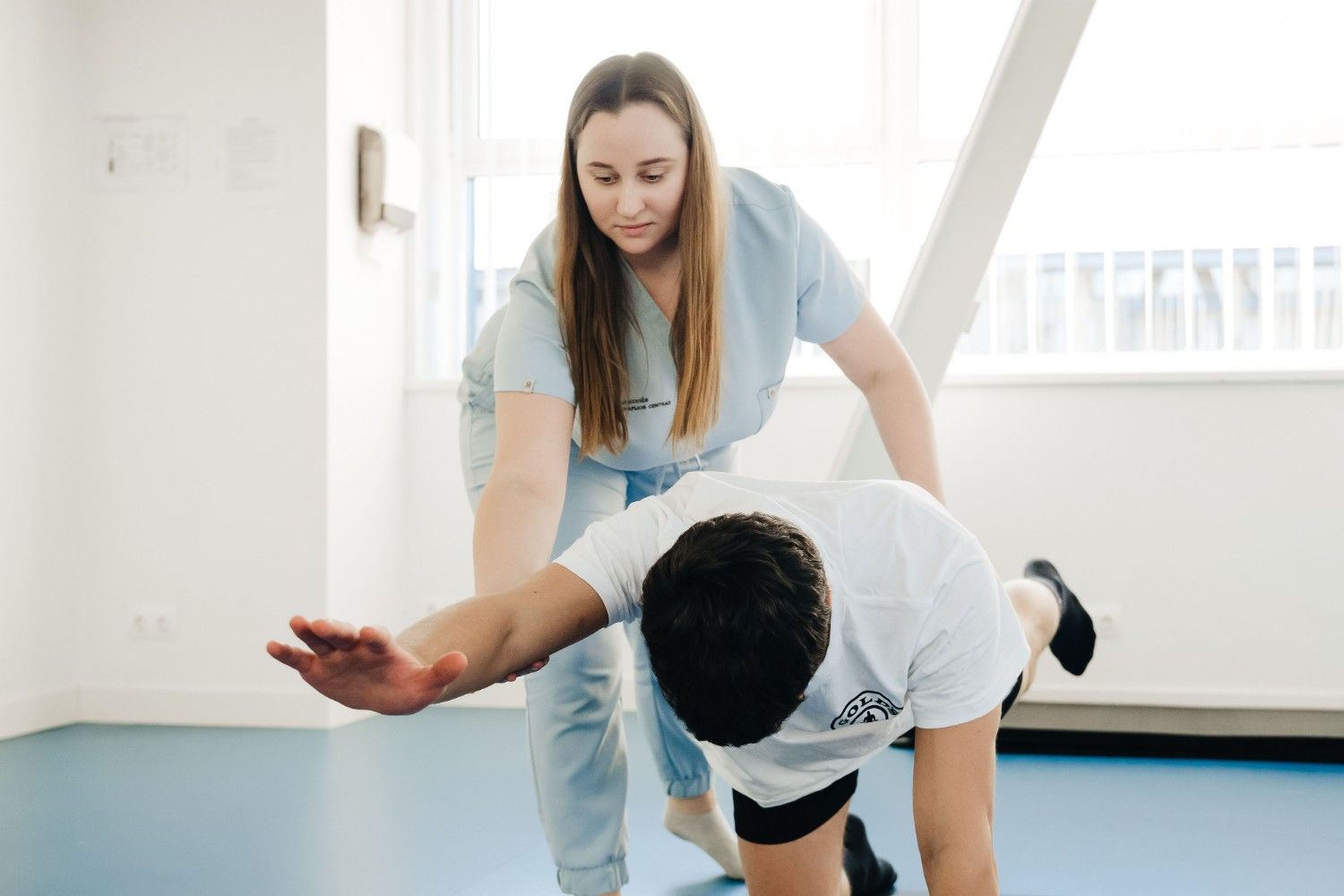
Physiotherapy is one of the main components of a cerebral palsy rehabilitation program. It focuses on improving movement, muscle strength, flexibility, balance, and coordination.
A physiotherapist may recommend gentle stretching, strengthening exercises, supported standing, and walking practice. These activities can help children work towards milestones such as sitting independently, standing with support, or improving their walking pattern.
The exercises are adjusted according to the child’s abilities. Regular assessment helps the care team review progress and modify the program when needed.
Occupational Therapy for Daily Activities
Occupational therapy helps children participate more comfortably in everyday routines. These may include eating, dressing, holding objects, writing, and playing.
Children with cerebral palsy may find some tasks difficult because of muscle stiffness or limited coordination. An occupational therapist can introduce practical exercises, adapted tools, and alternative ways to complete these activities.
As part of Cerebral Palsy Rehabilitation in Ghaziabad, occupational therapy may support a child’s ability to manage age-appropriate tasks at home and school. The goal is to encourage participation and independence at a comfortable pace.
Speech and Language Therapy
Some children with cerebral palsy experience difficulties with speech, communication, or swallowing. Speech and language therapy can address these challenges according to the child’s needs.
Sessions may include activities to improve speech clarity, strengthen communication skills, or introduce alternative communication methods. Pictures, gestures, communication boards, or specialised devices may be helpful for some children.
If swallowing difficulties are present, an appropriately trained professional can assess the problem and recommend suitable strategies. Early assessment can help families understand which support may be beneficial.
Stretching and Muscle Tone Management
Muscle stiffness, also known as spasticity, can affect movement and make certain activities uncomfortable. Some children may also experience reduced flexibility or muscle shortening over time.
A rehabilitation plan may include prescribed stretching, positioning techniques, strengthening activities, and regular monitoring of joint movement. In selected cases, the treating specialist may discuss additional options for managing muscle stiffness.
At Little Bones, families can seek guidance about paediatric orthopaedic assessment when movement difficulties, joint problems, or deformities require further evaluation. Treatment should always be tailored to the child rather than following a fixed routine.
Gait Training and Mobility Support
Gait training focuses on improving the way a child stands and walks. It may involve supported walking, balance activities, step practice, and exercises designed around specific movement goals.
Some children benefit from assistive devices, such as walkers, braces, or orthoses. These devices can provide support and help improve positioning when recommended by the care team.
Cerebral Palsy Rehabilitation in Ghaziabad may include mobility-focused goals based on the child’s current abilities. Progress varies, so the emphasis should be on safe movement, functional improvement, and realistic expectations.
Family Guidance and Home-Based Exercises
Rehabilitation does not end when a therapy session finishes. Parents and caregivers play an important role in helping children practise recommended skills during everyday routines.
The care team may explain safe positioning, home exercises, appropriate play activities, and ways to encourage participation without causing discomfort. Families should follow professional instructions and avoid forcing movements that cause pain.
Little Bones recognises the importance of child-centred care and family involvement. Consistent communication with the treating professionals helps keep rehabilitation goals practical and relevant as the child grows.
Our Google Maps location for physical visit
How Is a Rehabilitation Program Personalised?
Every child with cerebral palsy has different strengths and challenges. Therefore, Cerebral Palsy Rehabilitation in Ghaziabad should begin with an assessment of movement, muscle tone, posture, daily activities, and developmental needs.
The team may recommend one therapy or a combination of therapies. Goals can be reviewed over time as the child develops new skills or requires different support. Early intervention may be beneficial, but rehabilitation can remain important at different stages of life.
Conclusion
A cerebral palsy rehabilitation program may include physiotherapy, occupational therapy, speech and language therapy, muscle tone management, gait training, and family-guided home activities. The most suitable combination depends on the child’s individual needs and professional assessment.
Little Bones encourages families to seek appropriate guidance when they have concerns about their child’s movement, posture, or development. With a personalised plan and consistent support, rehabilitation can help children work towards meaningful functional goals and participate more confidently in everyday life.
FAQs
Which therapy is most important for cerebral palsy?
Physiotherapy is often central, but the best approach depends on the child’s needs.
Can occupational therapy help children with cerebral palsy?
Yes. It can support daily activities such as dressing, eating, and playing.
When should rehabilitation begin?
Seek an assessment as early as possible if developmental or movement concerns arise.
Does every child need the same therapies?
No. The rehabilitation plan should be personalised for each child.