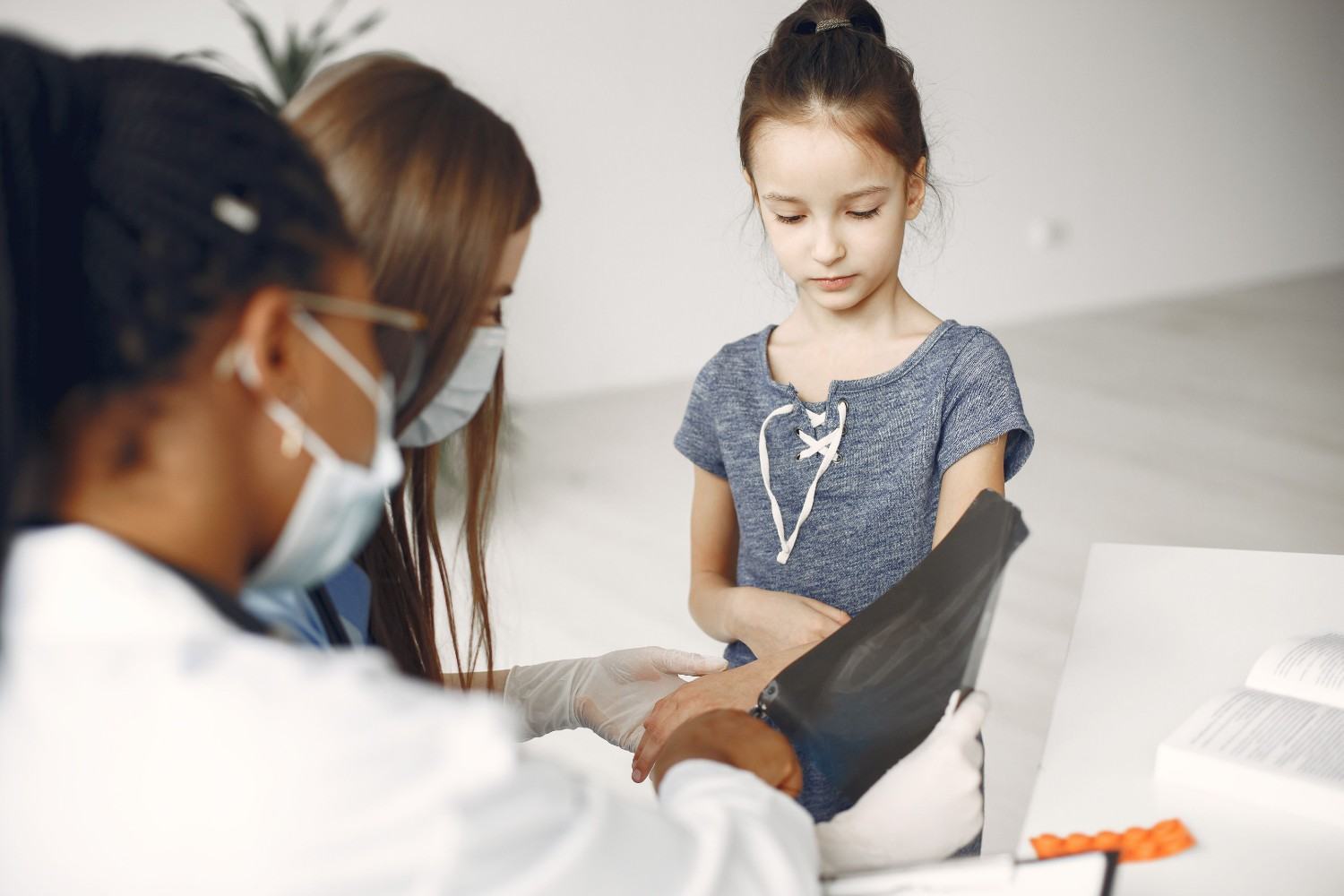
How Can Parents Identify Early Signs of Bone and Joint Problems in Growing Children?
Children grow and develop quickly, and their bones, joints, and muscles change at every stage. While occasional aches and changes in walking may be part of normal growth, persistent symptoms should not be ignored. Consulting a Paediatric Orthopaedic Clinic in Ghaziabad can help parents understand whether a child’s bone or joint concern needs medical attention.
At Little Bones, the focus is on specialised paediatric orthopaedic care for growing children. Recognising early warning signs can help parents seek timely advice and support healthy movement and development.
For fast information direct chat with us on WhatsApp.
Why Is Bone and Joint Health Important During Childhood?
A child’s bones and joints are still developing. Growth plates, muscles, and ligaments all play an important role in movement and physical development.
Some changes, such as temporary variations in leg alignment, can occur naturally as children grow. However, persistent pain, difficulty walking, or unusual limb positioning may need professional assessment.
A specialist at a Paediatric Orthopaedic Clinic in Ghaziabad can examine the child’s movement, joint function, and bone alignment to determine whether the concern is part of normal development or requires further investigation.
7 Early Signs Parents Should Watch For
Persistent Pain in the Legs or Joints
Children may complain of pain in their knees, ankles, hips, or feet. Occasional discomfort can have different causes, including physical activity. However, repeated pain or discomfort that affects daily activities deserves attention.
Parents should note when the pain occurs, how long it lasts, and whether it affects sleep, walking, or play. Pain accompanied by swelling, fever, or an inability to bear weight needs prompt medical assessment.
Limping or Difficulty Walking
A child who begins limping or avoids putting weight on one leg may have an injury or another orthopaedic concern.
Look for changes such as shorter steps, uneven walking, reluctance to climb stairs, or difficulty keeping up with other children.
A Paediatric Orthopaedic Clinic in Ghaziabad can assess these changes and help identify whether they are related to the hips, knees, feet, muscles, or bones.
Frequent Falls or Balance Problems
Young children often fall while learning to walk and run. However, frequent falls that continue beyond the expected developmental stage, or a noticeable decline in coordination, may need evaluation.
Parents should observe whether the child struggles with balance, avoids physical activities, or appears unusually unsteady.
Little Bones provides specialised care for paediatric orthopaedic conditions, including growing-child problems. An assessment can help determine whether further evaluation is appropriate.
Unusual Leg Alignment
Some children develop bow legs or knock knees as part of normal growth. In many cases, alignment changes gradually with age.
However, a marked difference between the legs, worsening deformity, persistent pain, or difficulty walking should be assessed by a specialist.
A paediatric orthopaedic specialist can evaluate the child’s age, growth pattern, and leg alignment before recommending monitoring or treatment.
Persistent Toe Walking or Unusual Foot Position
Some toddlers walk on their toes while learning to move independently. If toe walking continues, becomes more noticeable, or is associated with stiffness or difficulty placing the heels on the ground, professional advice may be helpful.
Parents should also look for persistent inward or outward turning of the feet, difficulty wearing shoes comfortably, or pain during walking.
Little Bones offers paediatric orthopaedic services for foot and ankle conditions, including clubfoot and related concerns. Treatment depends on the child’s specific condition and examination findings.
Limited Movement in the Hip, Knee, or Ankle
A child may avoid moving a joint because of pain, stiffness, or discomfort. Parents might notice difficulty sitting cross-legged, reduced hip movement, or reluctance to bend a knee.
These changes should not automatically be attributed to growing pains.
If the limitation is sudden, severe, or accompanied by fever or significant pain, seek urgent medical care. Otherwise, arrange an assessment to understand the cause.
Differences in Leg Length or Body Posture
One leg may appear shorter than the other, or a child may consistently lean to one side while standing or walking. These differences can sometimes be associated with limb-length discrepancies or other musculoskeletal conditions.
A specialist can examine posture, joint movement, and limb alignment. At Little Bones, care includes assessment and treatment for selected congenital and acquired deformities.
Early assessment can help parents understand the cause and the options available.
When Should Parents Visit a Paediatric Orthopaedic Clinic in Ghaziabad?
Consider seeking professional advice if your child has persistent pain, repeated limping, difficulty walking, unusual leg alignment, limited joint movement, or a noticeable change in physical activity.
Seek urgent medical care if your child suddenly cannot bear weight, has severe pain after an injury, or develops a hot, swollen joint with fever.
Parents should avoid trying to correct a child’s walking pattern with special shoes, braces, or exercises without professional guidance.
How Can Little Bones Help?
Little Bones Clinic, led by Dr. Pritish Singh, focuses on paediatric orthopaedics and deformity correction. Its services include paediatric trauma and fractures, growing-child problems, hip conditions, clubfoot, congenital conditions, cerebral palsy, and limb-length concerns.
During an assessment, the specialist may review the child’s symptoms, medical history, growth, and walking pattern. A physical examination helps identify areas that may need further investigation. X-rays or other tests may be recommended when clinically appropriate.
Treatment varies according to the diagnosis. Some children need observation and follow-up, while others may benefit from physiotherapy, supportive measures, or specialised treatment.
For parents searching for a Paediatric Orthopaedic Clinic in Ghaziabad, choosing a service that understands children’s developing bones and joints can be an important step.
Frequently Asked Questions
What are the common signs of orthopaedic problems in children?
Common signs include persistent pain, limping, frequent falls, unusual leg alignment, toe walking, and restricted joint movement. The significance of each sign depends on the child’s age and symptoms.
When should I consult a paediatric orthopaedic specialist?
Consult a specialist if symptoms persist, worsen, or interfere with walking, running, playing, or other daily activities. Sudden severe pain or an inability to bear weight requires urgent assessment.
Are bow legs and knock knees always a concern?
No. They can be normal developmental variations in young children. However, severe asymmetry, worsening alignment, persistent pain, or difficulty walking should be evaluated.
Does every childhood bone or joint problem require surgery?
No. Treatment depends on the diagnosis and severity. Some children need observation, follow-up, physiotherapy, or other non-surgical care. Surgery is considered only when clinically appropriate.
Our Google Maps location for physical visit
Conclusion
Recognising early signs of bone and joint problems can help parents make informed decisions about their child’s health. Persistent pain, limping, unusual foot positioning, balance difficulties, and changes in posture deserve attention, especially when they affect daily activities.
A consultation at a Paediatric Orthopaedic Clinic in Ghaziabad can help identify possible causes and determine whether monitoring, further investigations, or treatment is needed. Little Bones Clinic offers specialised paediatric orthopaedic care under Dr. Pritish Singh, with an approach focused on children’s individual needs and development.
By observing changes early and seeking professional advice when necessary, parents can help children move comfortably and participate confidently in everyday activities.