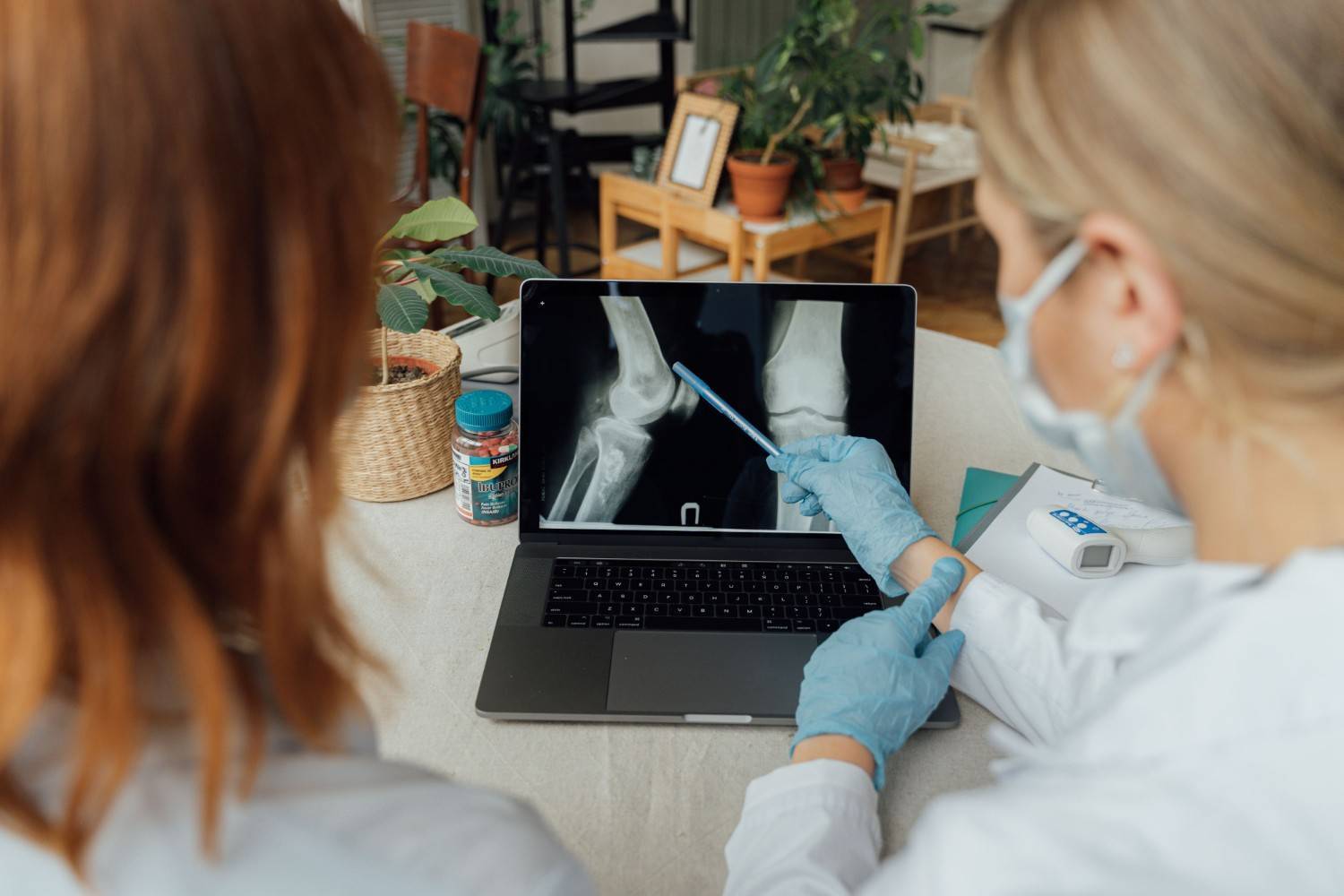
When should parents worry about frequent leg pain in growing children?
Leg pain is a common concern during childhood. Children may complain of aching legs after playing, running, or participating in sports. While occasional discomfort can be harmless, repeated pain should not always be dismissed as growing pains. Consulting a Child Bone Specialist in Indirapuram can help parents understand the possible causes and recognise when their child needs medical attention.
At Little Bones, we understand that every child grows at a different pace. Paying attention to changes in movement, activity levels, and pain patterns can help parents make informed decisions about their child’s bone and joint health.
For fast information direct chat with us on WhatsApp.
What Are Growing Pains in Children?
Growing pains usually cause aching or throbbing sensations in the muscles of both legs. They commonly affect the thighs, calves, or areas behind the knees. The discomfort often appears in the evening or at night and usually disappears by morning.
These pains are frequently seen in children between three and twelve years of age. However, the term “growing pains” does not mean that growth itself causes the discomfort.
Children generally remain active and walk normally during the day when experiencing typical growing pains. If the pain becomes persistent or affects everyday activities, parents should seek medical advice.
When Should Parents Worry About Frequent Leg Pain?
Knowing the warning signs can help parents decide when a professional assessment is necessary. Consider consulting a Child Bone Specialist in Indirapuram if your child experiences any of the following symptoms.
Pain in Only One Leg
Growing pains usually affect both legs. Repeated pain in just one leg may require further assessment, particularly if it becomes more frequent or severe.
Pain During the Day
Leg pain that continues into the morning or occurs while walking, running, or playing should not be ignored. It may be related to an injury, joint problem, or another condition that requires evaluation.
Swelling, Redness, or Tenderness
Swelling, warmth, redness, or unusual tenderness around a leg or joint can indicate an underlying problem. Parents should arrange a medical assessment rather than assuming the symptoms are normal.
Limping or Difficulty Walking
A child who starts limping, avoids putting weight on one leg, or struggles with usual activities needs prompt medical attention. If the child suddenly cannot bear weight or has severe pain, seek urgent medical care.
Fever, Fatigue, or Unexplained Weight Loss
Leg pain accompanied by fever, unusual tiredness, reduced appetite, or unexplained weight loss needs medical assessment. These symptoms should not be attributed to growing pains without checking for other causes.
What Causes Repeated Leg Pain in Children?
Frequent leg pain can have several causes. These may include muscle strain after physical activity, minor injuries, joint conditions, foot alignment problems, or certain bone and muscle disorders.
In some cases, a child may have an underlying orthopaedic condition that affects walking or physical development. The exact cause cannot always be identified from symptoms alone.
At Little Bones, a careful assessment of a child’s symptoms, movement, and medical history can help guide the next steps. Depending on the findings, the doctor may recommend further investigations.
How Can a Child Bone Specialist in Indirapuram Help?
A Child Bone Specialist in Indirapuram can evaluate recurring leg pain and help determine whether it is consistent with typical growing pains or needs further investigation.
The assessment may include:
- Reviewing when the pain started and how often it occurs.
- Checking the child’s walking pattern, posture, and joint movement.
- Examining the legs for swelling, tenderness, or movement restrictions.
- Recommending imaging or other tests when clinically necessary.
- Advising on suitable treatment, activity adjustments, and follow-up care.
Treatment depends on the underlying cause. Some children may need rest and simple home care, while others may require specific treatment or monitoring. Little Bones focuses on understanding each child’s needs and supporting healthy musculoskeletal development.
What Can Parents Do at Home?
If the pain is mild, occurs in both legs at night, and disappears by morning, gentle comfort measures may help.
Parents can try a warm bath, gentle massage, and adequate rest after active play. Encourage children to take breaks during sports and wear comfortable, supportive footwear.
Keep a record of when the pain occurs, how long it lasts, and whether other symptoms appear. This information can help the doctor understand the problem.
Avoid repeatedly giving pain medication without appropriate advice. Most importantly, do not rely on home remedies if the pain persists, worsens, or affects walking.
Why Early Assessment Matters
Children’s bones, joints, and muscles change as they develop. Persistent pain or changes in movement deserve attention because early assessment can help identify problems and guide suitable care.
At Little Bones, parents can seek guidance for childhood bone, joint, and movement concerns. Consulting a Child Bone Specialist in Indirapuram when warning signs appear can help families understand the cause of discomfort and decide on appropriate next steps.
Our Google Maps location for physical visit
Conclusion
Occasional leg pain may be harmless, but frequent or unusual pain should not automatically be considered a normal part of growing up. Pain in one leg, daytime discomfort, swelling, fever, or difficulty walking are important warning signs.
Little Bones encourages parents to observe their child’s symptoms and seek professional advice when something seems unusual. A timely consultation with a Child Bone Specialist in Indirapuram can help clarify the cause and support healthy growth and movement.
FAQs
Are growing pains normal in children?
They are common and usually harmless when symptoms follow a typical pattern.
When should I consult a specialist?
Seek advice if pain persists, affects one leg, or interferes with walking.
Can growing pains cause limping?
Typical growing pains do not cause limping. A new limp needs medical assessment.
Can leg pain be related to an orthopaedic condition?
Yes. Injuries and certain bone, joint, or muscle conditions can cause leg pain.