Can a Pediatric Orthopedic Surgeon Help With Children’s Posture and Walking Problems?
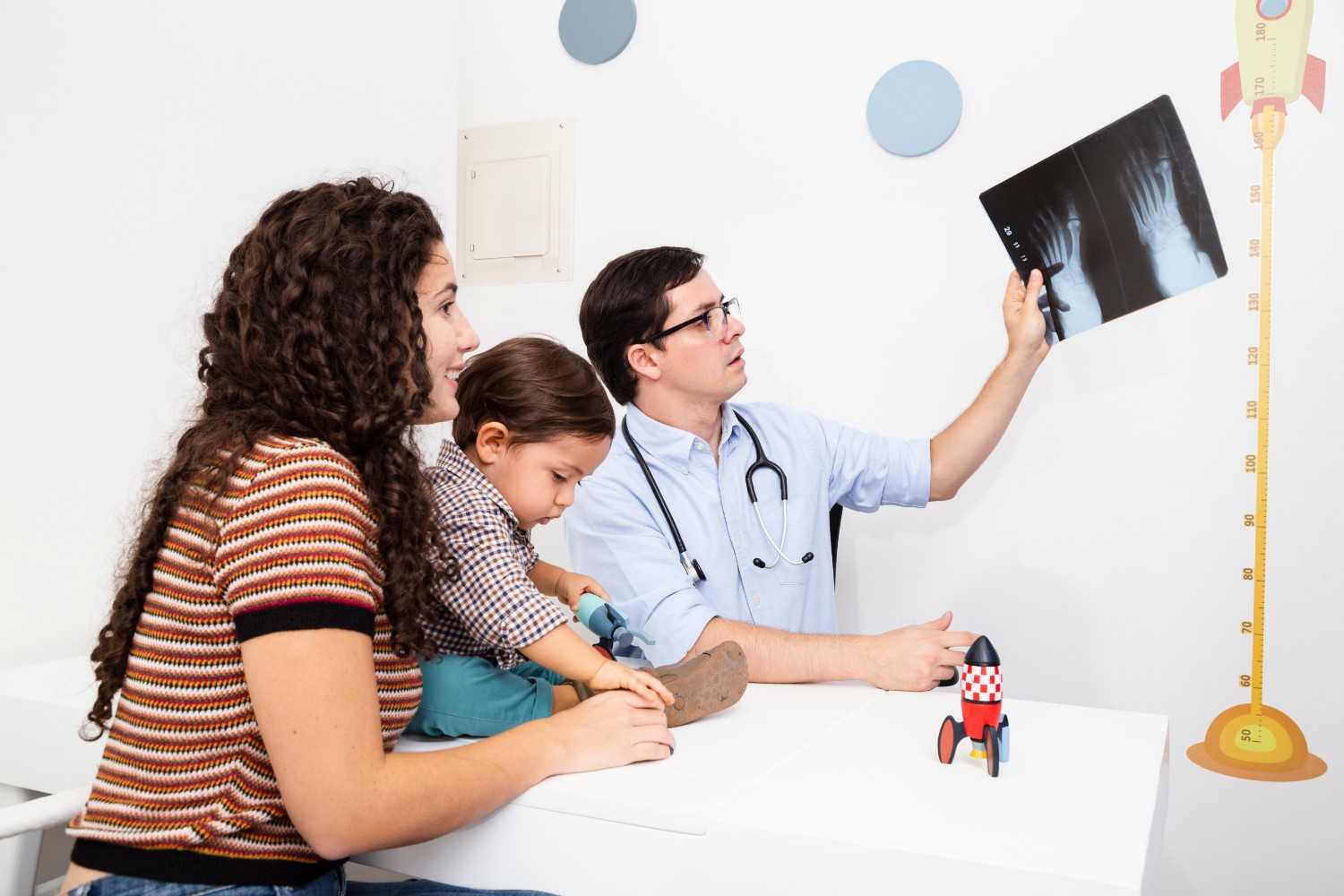
Children develop rapidly as they grow, and their posture, balance, and walking patterns can change at different stages. While some variations are part of normal development, persistent walking difficulties or unusual posture may sometimes indicate an orthopedic concern. A Best Pediatric Orthopedic Surgeon in Ghaziabad can evaluate a child’s bones, joints, muscles, alignment, and walking pattern to understand the possible cause and recommend suitable care.
At Little Bones Clinic, Dr. Pritish Singh specializes in pediatric orthopaedics and deformity correction. The clinic provides care for growing-child problems, hip conditions, clubfoot and other foot and ankle problems, congenital conditions, cerebral palsy, and deformities.
For fast information direct chat with us on WhatsApp.
Why Is Children’s Posture Important?
Posture refers to how a child positions the body while standing, sitting, walking, or performing daily activities.
Children may naturally have different postures as their bones and muscles develop. However, persistent changes should not always be ignored.
A child who consistently leans to one side, walks with an unusual posture, or struggles to maintain balance may benefit from an orthopedic assessment.
Early evaluation can help determine whether the posture is simply part of normal development or related to an underlying musculoskeletal condition.
What Are Common Walking Problems in Children?
Walking patterns can vary between children. Some children may walk on their toes, turn their feet inward or outward, have flat feet, or appear to limp.
Other children may have difficulty running, climbing stairs, maintaining balance, or keeping up with other children during physical activities.
Some gait differences are temporary and improve naturally as children grow. Others may be associated with problems involving the hips, knees, ankles, feet, muscles, nerves, or bone alignment.
These variations can be evaluated by a top pediatric orthopedic surgeon in Ghaziabad to see if more testing is required.
Can Toe Walking Require an Orthopedic Evaluation?
Toe walking can occur in young children while they are learning to walk.
However, persistent toe walking may require evaluation, especially if it continues beyond the expected developmental period or is associated with stiffness, difficulty placing the heels on the ground, frequent falls, or other movement concerns.
Each youngster may have a different cause.
An orthopedic specialist can assess the child’s lower-limb alignment, muscular strength, flexibility, and gait.
The clinic’s published services include growing-child problems and foot and ankle conditions, which can be relevant when evaluating gait concerns.
How Are Flat Feet Evaluated in Children?
Flat feet are common during childhood.
Young children may naturally have a flatter appearance because their arches are still developing. In many cases, flat feet do not cause pain or functional problems.
However, persistent pain, difficulty walking, frequent fatigue, or problems with physical activities may require assessment.
A pediatric orthopedic evaluation can look at the child’s feet, ankles, legs, walking pattern, and overall alignment.
Treatment depends on the child’s symptoms and the underlying cause. Not every child with flat feet needs medical intervention.
What About Bow Legs and Knock Knees?
Bow legs and knock knees can occur as part of normal childhood development.
As a child grows, their leg alignment may naturally shift.
However, significant asymmetry, persistent deformity, pain, difficulty walking, or changes that do not follow expected developmental patterns may require professional evaluation.
A pediatric orthopedic specialist can assess the child’s growth pattern and determine whether observation, further testing, or treatment is appropriate.
The goal is to distinguish normal developmental variations from conditions that may affect future movement or alignment.
Can Hip Problems Affect a Child’s Walking?
Yes. Certain hip conditions can affect movement and walking.
Children may experience limping, diminished hip mobility, trouble running, or abnormal leg movements.
Some hip conditions are present from birth, while others develop during childhood.
Little Bones Clinic lists pediatric hip disorders among its specialized services. Dr. Pritish Singh’s published profile also mentions conditions such as developmental dysplasia of the hip, slipped capital femoral epiphysis, and Perthes disease.
Early assessment can be valuable when a child develops persistent changes in walking or hip movement.
How Does a Pediatric Orthopedic Surgeon Assess Posture?
The assessment usually begins with a detailed discussion about the child’s development and symptoms.
The specialist may ask when the walking or posture concern was first noticed and whether it has changed over time.
The child’s medical history, previous injuries, developmental milestones, and family history may also be relevant.
A physical examination can include assessment of:
- Walking pattern
- Standing posture
- Leg alignment
- Hip movement
- Knee position
- Foot structure
- Muscle strength
- Joint flexibility
- Balance and coordination
Depending on the findings, imaging or other investigations may be recommended.
According to Little Bones Clinic, when necessary, a physical examination and imaging tests like MRIs or X-rays may be part of the diagnostic evaluation.
Our Google Maps location for physical visit
Why Is a Child-Specific Orthopedic Approach Important?
Children are not simply smaller adults.
Their bones and joints are still developing. Treatment must therefore consider growth, development, and future function.
An intervention that may be suitable for an adult may not be appropriate for a growing child.
A pediatric orthopedic specialist understands these developmental differences.
At Little Bones Clinic, the focus is specifically on pediatric orthopaedics and deformity correction. The clinic also describes its care as personalized and child-friendly.
Can Posture Problems Be Related to Deformities?
In some children, posture or walking changes may be linked to a structural deformity.
Congenital or acquired deformities can affect the alignment of the legs, feet, hips, or spine.
Some children may also develop limb-length differences or other alignment concerns.
Little Bones Clinic provides treatment for congenital conditions, limb-length discrepancies, deformities, and other pediatric orthopedic problems.
A detailed examination helps determine whether the posture is being affected by an underlying orthopedic issue.
How Can Cerebral Palsy Affect Walking?
Cerebral palsy can affect movement, muscle tone, coordination, balance, and posture.
Some children with cerebral palsy may have difficulty walking, abnormal muscle tightness, toe walking, or joint and limb alignment problems.
Orthopedic care can be an important part of comprehensive management for children with movement-related difficulties.
Little Bones Clinic lists cerebral palsy among its pediatric orthopedic services and also provides deformity correction care.
Treatmentshould be individualized accordingtothe child’sfunctional abilities, musculoskeletal findings, and overall care plan.
When Should Parents Consult a Pediatric Orthopedic Specialist?
Parents may consider an orthopedic consultation if they notice:
- Persistent limping
- Frequent falls
- Difficulty walking or running
- Persistent toe walking
- Significant inward or outward foot positioning
- One leg appearing shorter than the other
- Persistent bow legs or knock knees
- Difficulty with balance
- Pain during walking or physical activity
- A noticeable change in posture
- Reduced movement of a hip, knee, or ankle
These signs do not necessarily mean that a serious orthopedic condition is present.
However, an evaluation can provide clarity and help parents understand whether the child’s development is progressing normally.
What Treatments May Be Recommended?
Treatment depends entirely on the cause and severity of the problem.
Some children may only need observation and regular follow-up.
Others may benefit from physiotherapy, activity modification, orthotic support, or other non-surgical measures.
In more complex cases, surgical treatment may be considered.
Little Bones Clinic offers both pediatric orthopedic and deformity correction services, including procedures for selected complex conditions. Its services include Ilizarov surgeries and software-guided deformity corrections.
Surgery is not automatically required for posture or walking problems. The appropriate treatment should be determined after a thorough evaluation.
How Does Little Bones Clinic Provide Personalized Care?
Every child’s growth pattern is different.
For this reason, treatment should be based on the child’s individual condition rather than a general assumption.
Little Bones Clinic describes its approach as personalized, child-friendly, and focused on specialized pediatric orthopedic care.
Dr. Pritish Singh’s clinical focus includes pediatric trauma and fractures, hip disorders, congenital and acquired deformities, and other pediatric orthopedic conditions.
This broad range of expertise can be useful when posture or gait changes are connected to a more complex orthopedic condition.
Why Early Assessment Can Be Helpful
Children’s bodies change quickly during growth.
A walking or posture problem that appears minor may sometimes become more noticeable as the child grows.
Early assessment does not always mean immediate treatment.
In many cases, the most appropriate approach may be monitoring the child’s development over time.
The benefit of an early consultation is that parents can understand the condition and receive guidance about what changes to watch for.
Supporting Healthy Movement at Home
Parents can encourage healthy movement by allowing children to participate in age-appropriate physical activities.
Children should have opportunities to walk, run, play, and develop coordination in a safe environment.
Comfortable footwear can also support everyday activities.
However, parents should avoid using special shoes, braces, exercises, or other orthopedic devices without professional advice.
If a child experiences pain or a persistent change in walking, medical evaluation is more appropriate than trying to correct the gait independently.
Why Choose a Pediatric Orthopedic Specialist?
A pediatric orthopedic specialist focuses on conditions affecting children’s growing bones, joints, muscles, and movement.
This specialized knowledge can be particularly useful when a child has a developmental concern, deformity, gait abnormality, injury, or complex orthopedic condition.
Little Bones Clinic is led by Dr. Pritish Singh, who is described by the clinic as a Pediatric Orthopaedic and Deformity Correction Surgeon. The clinic provides specialized services for growing-child problems, hip conditions, foot and ankle problems, congenital conditions, cerebral palsy, and other pediatric orthopedic concerns.
For parents looking for a Best Pediatric Orthopedic Surgeon in Ghaziabad, a thorough assessment and child-focused treatment approach can be important factors when selecting specialist care.
Conclusion
Children’s posture and walking patterns change naturally as they grow. Some variations are completely normal, while persistent limping, toe walking, balance problems, unusual leg alignment, or difficulty with movement may require professional assessment.
A Best Pediatric Orthopedic Surgeon in Ghaziabad can evaluate the child’s posture, gait, joints, muscles, bones, and overall alignment to identify possible causes. Depending on the findings, treatment may involve observation, physiotherapy, supportive measures, or more specialized orthopedic care.
Little Bones Clinic provides pediatric orthopaedic and deformity correction services under Dr. Pritish Singh, with care covering growing-child problems, hip disorders, foot and ankle conditions, congenital conditions, cerebral palsy, and other musculoskeletal concerns.
If you notice a persistent change in your child’s posture or walking pattern, an early orthopedic evaluation can help you understand the cause and make informed decisions about your child’s care and healthy development.