How Does Little Bones Clinic Provide Personalized Pediatric Care?
Every child grows and develops differently. Their healthcare needs can also change with age, physical development, activity level, and existing conditions. Choosing the right Pediatric Doctor in Noida can help parents understand their child’s health concerns and receive appropriate guidance at the right time.
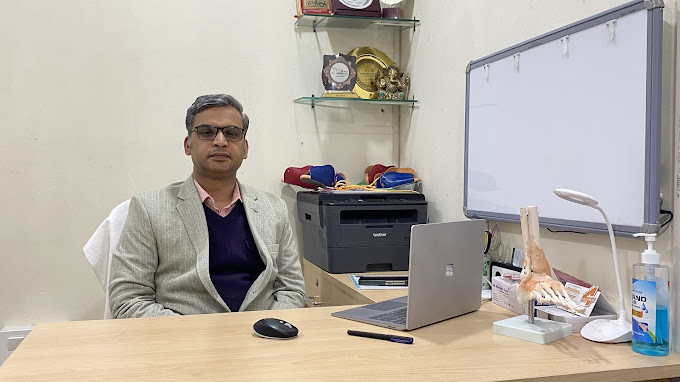
Little Bones Clinic in Noida focuses on pediatric orthopaedics and deformity correction. Dr. Pritish Singh specializes in children’s bone, joint, and musculoskeletal conditions. The clinic provides care for pediatric trauma and fractures, growing-child problems, hip conditions, clubfoot, cerebral palsy, congenital conditions, limb-length problems, bone infections, and deformities.
Personalized care means understanding the individual child instead of following the same approach for every patient. At Little Bones Clinic, the child’s age, growth, symptoms, diagnosis, and functional needs can all be considered when planning treatment.
For fast information direct chat with us on WhatsApp.
Why Personalized Pediatric Care Matters
Children are still growing. Their bones, joints, muscles, and growth plates continue to develop throughout childhood.
Therefore, a treatment approach suitable for an adult may not always be appropriate for a child. Pediatric orthopedic care needs to consider both the current problem and the child’s future growth.
A Pediatric Doctor in Noida with pediatric orthopedic expertise can assess these factors while evaluating bone and joint concerns. Early assessment may also help parents understand whether a condition needs treatment, monitoring, physiotherapy, or further investigation.
Understanding the Child Before Treatment
Personalized care begins with listening to parents and understanding the child’s symptoms.
During a consultation, the doctor may discuss:
- The child’s current symptoms
- Previous injuries or treatments
- Walking and movement patterns
- Physical development
- Pain or discomfort
- Changes noticed by parents
- Medical history
- Previous diagnostic reports
- The impact of the problem on daily activities
This information provides useful context for the physical examination and any recommended investigations.
The goal is to understand the child as a whole rather than focusing only on one symptom.
Child-Friendly Orthopedic Evaluation
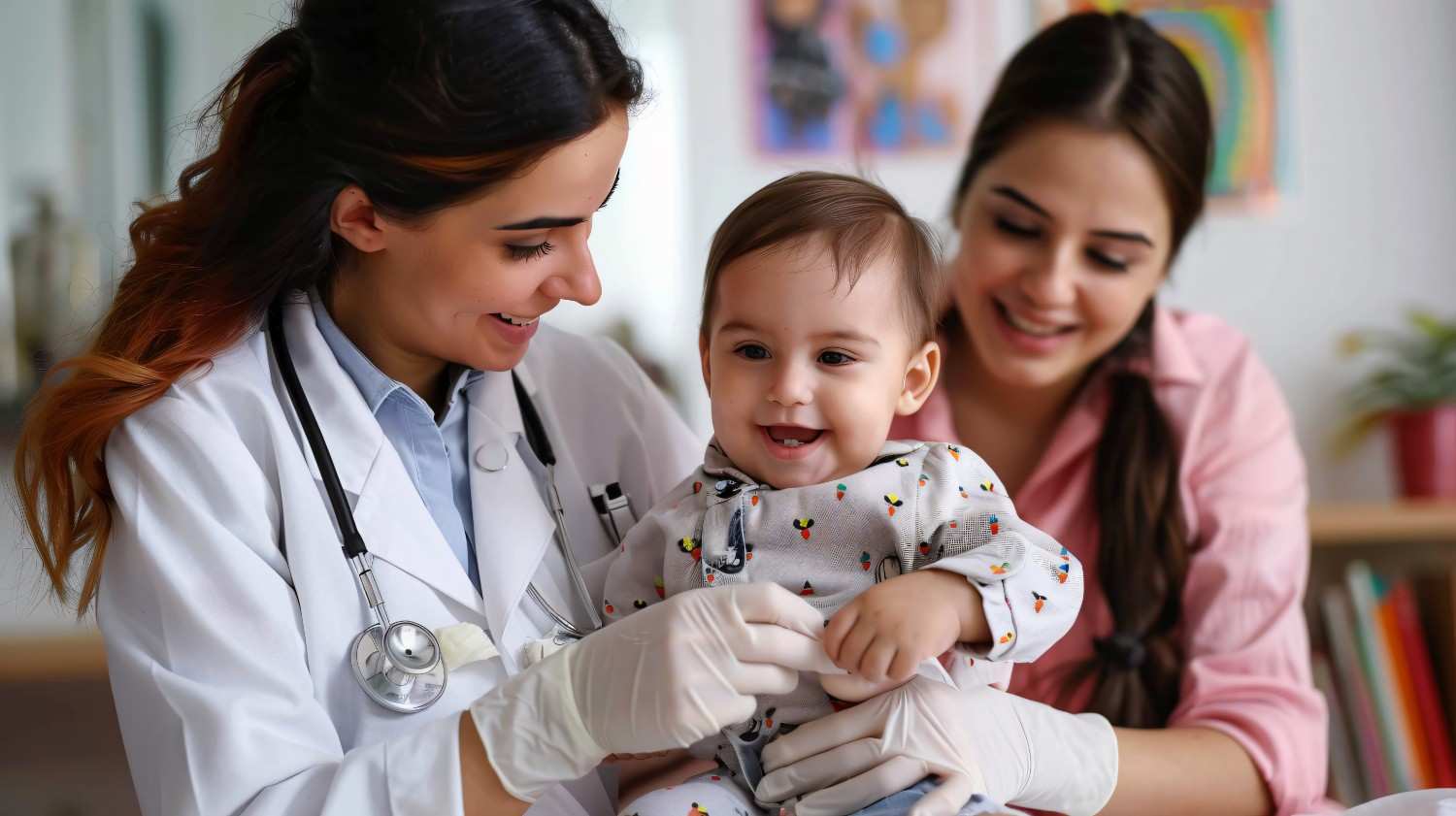
Children may feel nervous when visiting a doctor. A comfortable and patient approach can make the consultation easier for both the child and parents.
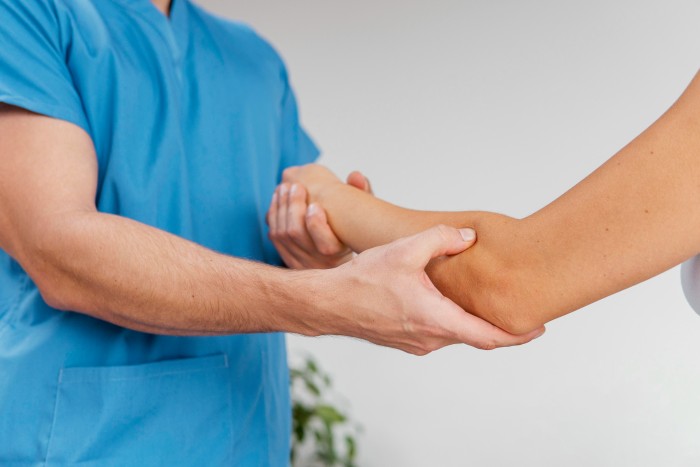
Pediatric orthopedic assessment may include checking joint movement, muscle strength, limb alignment, posture, walking patterns, and other physical signs.
The type of assessment depends on the child’s age and presenting concern.
At Little Bones Clinic, the focus is on pediatric orthopedic and deformity correction care, with treatment tailored to children’s developing musculoskeletal systems.
Personalized Care for Pediatric Fractures
Children are naturally active. Falls, sports injuries, playground accidents, and other incidents can sometimes cause fractures.
Pediatric fractures can differ from adult fractures because children’s bones are still developing. Certain fracture patterns, such as greenstick and buckle fractures, are more commonly seen in children.
Little Bones Clinic provides pediatric trauma and fracture care. Depending on the injury, treatment may involve casts, splints, pain management, or surgery when required.
A Pediatric Doctor in Noida specializing in children’s orthopaedic conditions can evaluate the injury and determine the appropriate treatment based on the child’s age, fracture type, location, and overall condition.
Our Google Maps location for physical visit
Supporting Children With Growing-Child Problems
Growth can bring several changes to a child’s bones and joints. Some concerns may resolve naturally, while others may require professional assessment.
Parents may notice:
- Persistent pain
- Limping
- Difficulty walking
- Changes in posture
- Repeated falls
- Uneven movement
- Concerns about growth or alignment
Little Bones Clinic lists growing-child problems among its pediatric orthopedic services.
A personalized assessment helps determine whether the child needs observation, therapy, further investigations, or active treatment.
Personalized Care for Pediatric Hip Conditions
Hip conditions can affect children at different stages of development. Some may be present from birth, while others can become noticeable as a child grows.
Parents may observe limited movement, unusual leg positioning, limping, or differences in leg length. However, symptoms can vary significantly.
Little Bones Clinic includes pediatric hip conditions among its specialized services.
The treatment plan depends on the specific diagnosis, the child’s age, the severity of the condition, and the stage of development.
Care for Clubfoot and Foot Problems
Clubfoot, also known as congenital talipes equinovarus or CTEV, is a condition in which the foot is positioned inward and downward.
Early evaluation is important because treatment often begins during infancy. Little Bones Clinic provides care for clubfoot and other ankle and foot problems. Its listed services include Ponseti casting, recurrent clubfoot management, tendon transfer procedures, and selected foot and ankle procedures.
Personalized treatment is important because the child’s age, foot condition, previous treatment, and response to treatment can all influence management.
If any of these symptoms appear, you should consult the Pediatric Care In Noida without delay.
Personalized Support for Cerebral Palsy
Cerebral palsy can affect movement, posture, muscle tone, coordination, and walking ability.
Orthopedic care for children with cerebral palsy may focus on musculoskeletal problems that develop as the child grows. Treatment needs can differ from one child to another.
Little Bones Clinic lists cerebral palsy among its pediatric orthopedic services.
Depending on the child’s needs, care may involve monitoring, physiotherapy, orthotic support, or orthopedic procedures.
A personalized approach can help address the child’s specific mobility and musculoskeletal concerns.
Managing Congenital Conditions
Some bone and joint conditions are present at birth. These conditions can affect limb alignment, joint development, foot position, or overall movement.
Little Bones Clinic provides pediatric orthopedic care for congenital conditions.
Some children may require regular observation, while others may need casting, bracing, physiotherapy, or surgery.
The appropriate treatment depends on the diagnosis and the child’s growth and development.
Addressing Limb-Length Differences
A difference in limb length can be present from birth or develop because of injury, infection, or other growth-related conditions.
A significant difference may affect walking, posture, and movement.
Little Bones Clinic lists limb lengthening among its pediatric orthopedic services.
The doctor can assess the difference and consider how it may change as the child grows. Treatment planning can then be based on the child’s age, growth potential, underlying condition, and functional needs.
Using Diagnostic Support When Needed
Accurate diagnosis is an important part of personalized pediatric care. Depending on the child’s symptoms, the doctor may recommend imaging or other investigations.
Little Bones Clinic states that X-ray services are available throughout the day for pediatric orthopedic assessment, including evaluation of injuries,fractures, and developmental concerns.
Diagnostic findings are considered along with the child’s symptoms and physical examination. This helps the doctor develop a more informed treatment plan.
Non-Surgical Pediatric Orthopedic Care
Not every orthopedic condition requires surgery.
Depending on the diagnosis, non-surgical management may include:
- Observation
- Physiotherapy
- Casting
- Splinting
- Bracing
- Orthotic support
- Activity modification
- Regular follow-up
Little Bones Clinic states that it provides both non-surgical and surgical solutions for pediatric orthopedic conditions.
Choosing conservative treatment when appropriate can help avoid unnecessary procedures while allowing the child’s condition to be monitored.
When Is Pediatric Orthopedic Surgery Considered?
Surgery may be considered when a condition is severe, causes functional limitations, does not respond adequately to conservative care, or requires structural correction.
Little Bones Clinic lists procedures and services including Ilizarov surgeries, limb lengthening, and software-guided deformity corrections.
Surgery is not automatically recommended. The decision depends on the child’s diagnosis, age, growth stage, symptoms, and expected benefits and risks.
Parents can discuss these factors with the specialist before making a treatment decision.
Involving Parents in the Treatment Process
Parents play an important role in pediatric healthcare. They can provide information about symptoms, changes in movement, previous injuries, and the child’s response to treatment.
Clear communication can also help parents understand:
- The child’s diagnosis
- Recommended treatment
- Expected recovery
- Follow-up requirements
- Activity restrictions
- Warning signs
- Home-care instructions
When parents understand the treatment plan, they can support the child’s recovery more effectively.
Monitoring Growth and Recovery
Pediatric orthopedic treatment does not always end after the initial intervention.
Because children continue to grow, follow-up may be necessary to monitor bone alignment, joint function, limb length, and overall development.
The frequency of follow-up depends on the child’s condition and treatment.
Regular monitoring can help the orthopedic team identify changes and modify the treatment plan when needed.
Why Choose Little Bones Clinic?
Little Bones Clinic is focused on pediatric orthopaedics and deformity correction. Dr. Pritish Singh is identified by the clinic as a pediatric orthopedic and deformity correction surgeon.
The clinic provides care for a broad range of pediatric orthopedic conditions, including fractures, hip disorders, clubfoot, cerebral palsy, congenital conditions, bone infections, limb-length problems, and deformities.
For parents searching for a Pediatric Doctor in Noida, it is important to choose care that matches the child’s specific health concern. Little Bones Clinic‘s pediatric orthopedic focus can be particularly relevant for children experiencing bone, joint, movement, growth, or deformity-related problems.
When Should Parents Consult a Pediatric Specialist?
Parents should consider professional evaluation if they notice persistent or unusual changes in their child’s movement or physical development.
Signs that may require assessment include:
- Persistent bone or joint pain
- Limping
- Repeated falls
- Difficulty walking
- Unusual posture
- Visible limb or joint deformity
- Uneven leg length
- Reduced joint movement
- Problems following an injury
- Concerns about a child’s physical development
Early assessment does not necessarily mean that the child will require surgery. In many cases, the first step is simply understanding the condition and determining whether observation or treatment is appropriate.
Conclusion
Personalized pediatric care is about understanding that every child has different healthcare needs. Age, growth, development, symptoms, diagnosis, and activity levels can all influence the appropriate approach.
Little Bones Clinic provides specialized pediatric orthopedic care in Noida, with services covering fractures, growing-child problems, hip conditions, clubfoot, cerebral palsy, congenital conditions, limb-length problems, bone infections, and deformities.
For parents searching for a Pediatric Doctor in Noida, choosing a specialist who understands children’s developing bones and joints can be an important step. At Little Bones Clinic, pediatric orthopedic assessment and treatment are tailored to the child’s condition and individual needs.
If your child has persistent pain, difficulty walking, an unusual posture, a recent orthopedic injury, or another bone and joint concern, a professional evaluation can help identify the problem and guide the next steps.