How long does recovery take after deformity correction surgery in children?
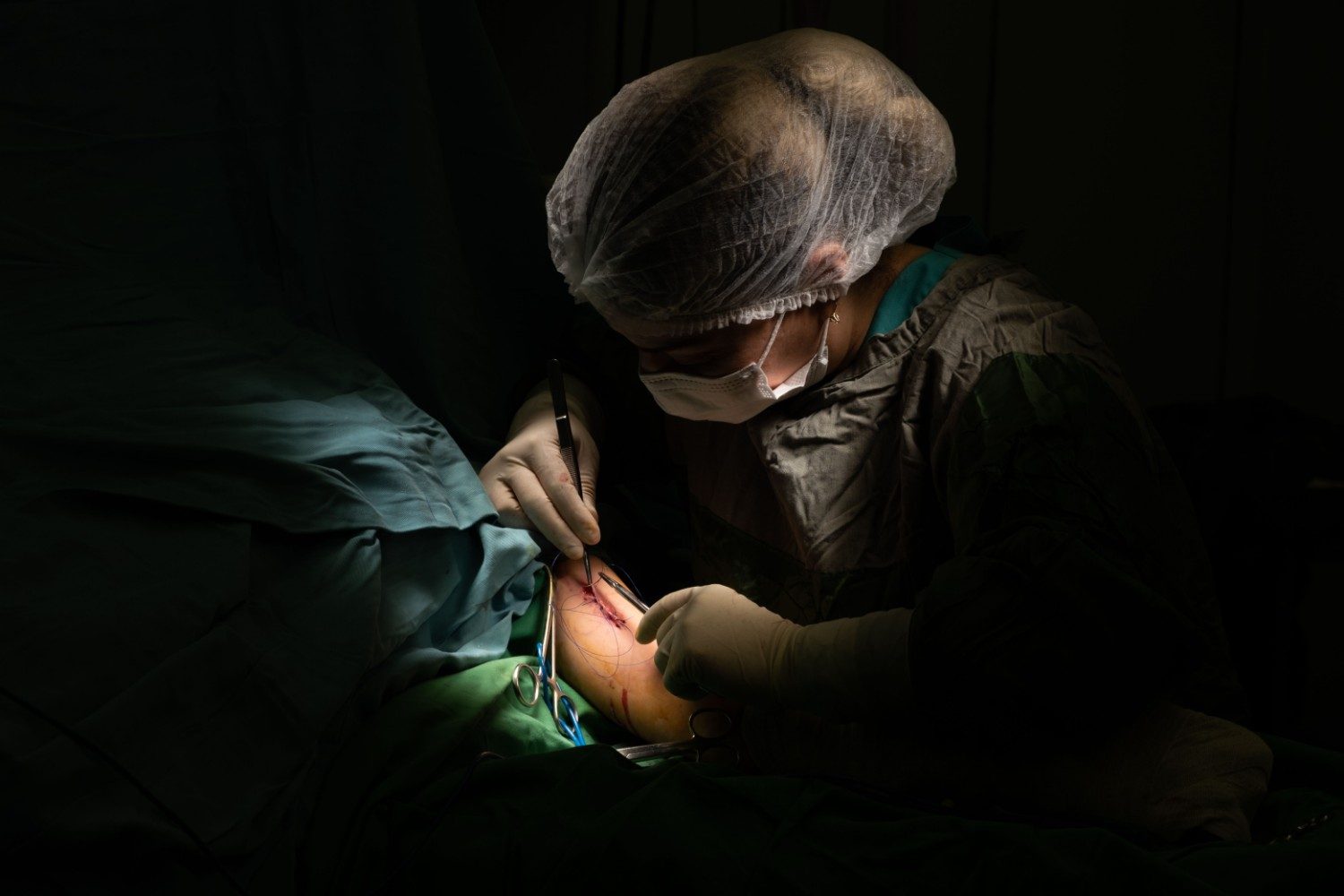
When a child needs surgery to correct a bone deformity, parents naturally want to know when life will return to normal. They may wonder when their child can walk comfortably, attend school, or play with friends again. A Deformity Correction Surgeon in Greater Noida can help parents understand the recovery process and prepare for the care their child may need after surgery. Since every child and every deformity is different, recovery time depends on the treatment performed and the child’s healing progress.
For fast information direct chat with us on WhatsApp.
Why Does Recovery Differ From One Child to Another?
Children undergo deformity correction for different reasons. Some have bow legs or knock knees, while others may have limb-length differences, unusual bone rotation, or deformities caused by an earlier injury.
The treatment for each condition can be different. A procedure that guides bone growth may involve a different recovery plan from an operation that changes the position of a bone. Therefore, recovery cannot be measured by a fixed number of days.
A Deformity Correction Surgeon in Greater Noida will consider the child’s age, bone development, the severity of the deformity, and the planned procedure before estimating the healing period.
Understanding the Recovery Timeline
The Initial Recovery Period
The first few days after surgery are mainly about comfort, rest, and safe movement. Children may experience some pain or swelling around the operated area. The medical team will explain how to manage discomfort, care for the wound, and move safely.
Some children can stand or walk with support soon after surgery. Others may need crutches, a walker, a cast, or a brace. Parents should follow the instructions given by the treating team instead of encouraging their child to walk too early.
Getting Back to Everyday Activities
Over the following weeks, children may gradually become more comfortable with daily activities. However, progress depends on the procedure and the amount of weight the child is allowed to put on the operated limb.
Returning to school may be possible before returning to physical education or outdoor play. Parents can speak with teachers about temporary adjustments, such as avoiding stairs or strenuous activities when medically advised.
At this stage, a Deformity Correction Surgeon in Greater Noida can assess healing and advise when the child may safely increase activity.
Regaining Strength and Confidence
After major bone correction surgery, recovery may continue for several months. The bone needs time to heal, while the muscles and joints may need help regaining strength and flexibility.
Physiotherapy may be recommended to improve balance, walking patterns, and joint movement. Children should perform only the exercises approved for their stage of recovery. Pushing too hard can interfere with healing or increase discomfort.
Some procedures, including limb lengthening, involve several treatment stages. In these cases, the overall process may take considerably longer than recovery from a simpler operation.
What Can Parents Do to Make Recovery Easier?
A supportive home environment can help children feel safer and more comfortable while healing. Parents do not need to rush progress. Instead, they can focus on small, steady improvements.
- Make movement safer: Keep walkways clear and arrange frequently used items within easy reach.
- Follow activity restrictions: Do not allow running, jumping, or sports until the surgeon approves.
- Provide balanced meals: Offer a varied diet with adequate protein, calcium, and other essential nutrients.
- Keep appointments: Follow-up visits allow the medical team to assess healing and check bone alignment.
- Encourage without pressure: Let children express discomfort and concerns instead of comparing their progress with others.
- Follow rehabilitation advice: Help your child complete prescribed exercises at the recommended pace.
Little Bones recognises that recovery involves both physical healing and emotional support. Children may feel frustrated when they cannot take part in their usual activities. Patience and reassurance can help them adjust.
Signs That Need Medical Attention
Parents should know which changes require medical advice. Increasing pain, persistent fever, worsening redness, unusual discharge from the wound, or swelling that becomes more severe should be reported to the treating team.
Sudden changes in the colour or sensation of the affected limb, or difficulty breathing, require urgent medical attention.
Do not change medication, remove a cast or brace, or increase activity without appropriate medical guidance.
How Does Specialist Care Help During Recovery?
Surgery is only one part of deformity treatment. Follow-up assessments are also important because the medical team needs to check bone healing, alignment, movement, and the child’s progress.
Consulting a Deformity Correction Surgeon in Greater Noida helps parents understand the purpose of surgery, expected milestones, possible limitations, and the need for rehabilitation. It also gives them an opportunity to discuss concerns as their child recovers.
At Little Bones, paediatric orthopaedic care focuses on children’s growing bones and individual treatment needs. The appropriate recovery plan depends on the child’s diagnosis and the procedure recommended by the treating specialist.
Our Google Maps location for physical visit
Conclusion
There is no universal recovery period after deformity correction surgery in children. Some children resume selected daily activities within weeks, while more complex procedures may require several months of healing and rehabilitation. The key is to follow medical advice and allow progress to happen at a safe pace.
Little Bones encourages parents to seek specialist guidance and attend recommended follow-up visits throughout recovery. A Deformity Correction Surgeon in Greater Noida can help families understand each stage of treatment and support their child’s return to everyday activities when it is safe to do so.
FAQs
Does every child need physiotherapy after surgery?
No. It depends on the procedure and the child’s individual needs.
When can my child return to school?
This depends on mobility, comfort, and the surgeon’s advice.
Can the deformity return as my child grows?
Some conditions need continued monitoring during growth.
How can I know if recovery is on track?
Attend follow-up appointments and report any new or worsening symptoms.