What Orthopedic Conditions Are Treated by a Child Orthopedic Surgeon at Little Bones?
Children are constantly growing, playing, running, and exploring. As a result, they may sometimes experience bone, joint, muscle, or movement-related problems. A Child Orthopedic Surgeon in Faridabad specializes in conditions affecting children’s developing bones and joints. At Little Bones, pediatric orthopedic care includes treatment for fractures, growing-child problems, hip conditions, clubfoot, cerebral palsy, congenital conditions, limb-length differences, bone infections, and deformities.
Children need specialized orthopedic care because their bones and growth plates are still developing. A condition that appears minor may sometimes affect growth or movement if it is not evaluated appropriately. Early assessment can help parents understand the problem and explore suitable treatment options.
For fast information direct chat with us on WhatsApp.
Why Pediatric Orthopedic Care Is Different
Children are more than just little versions of grownups. Their bones, joints, muscles, and growth plates continue to develop throughout childhood.
Because of this, orthopedic treatment must consider the child’s age, growth stage, physical development, and overall health. A Child Orthopedic Surgeon in Faridabad can assess these factors while evaluating bone and joint conditions.
Treatment may involve observation, physiotherapy, casting, bracing, medication, or surgery, depending on the diagnosis and severity.
Pediatric Fractures and Bone Injuries
Fractures are among the common orthopedic problems seen in children. Falls, playground accidents, cycling injuries, and sports activities can result in broken bones.
Children can experience fracture patterns that differ from adults, including greenstick and buckle fractures. Growth plate injuries also require careful evaluation because growth plates contribute to the development of children’s bones.
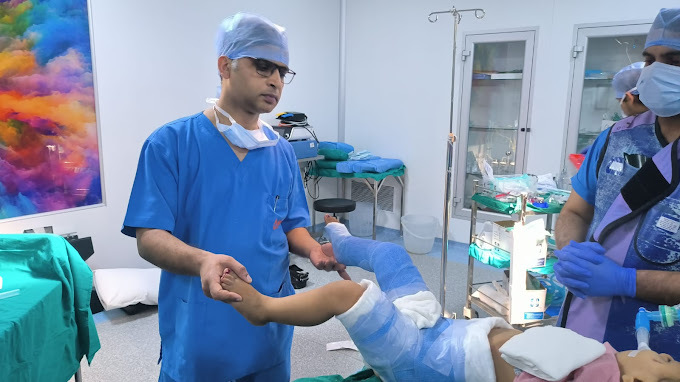
Little Bones provides pediatric trauma and fracture care. Its website states that treatment may include casts or splints, pain management, and surgery when required.
A Child Orthopedic Surgeon in Faridabad can evaluate the injury and recommend appropriate treatment based on the child’s age, fracture type, and location.
Growing Child Problems
Growth is an important part of childhood. During growth spurts, children may experience musculoskeletal discomfort, changes in posture, or other physical concerns.
Little Bones lists growing-child problems among its pediatric orthopedic services. These may include musculoskeletal pain, growth plate injuries, postural concerns, and developmental problems.
Parents should consult a specialist if they notice persistent pain, difficulty walking, repeated limping, unusual posture, or other changes that interfere with normal activities.
Pediatric Hip Conditions
Hip problems can affect children at different stages of development. Some conditions may be present from birth, while others develop as the child grows.
Little Bones lists pediatric hip disorders among its specialized services.
Early assessment can be particularly important for developmental hip conditions. A specialist can evaluate hip movement, leg position, walking patterns, and other clinical signs.
Depending on the diagnosis, treatment may include observation, bracing, physiotherapy, or surgical management.
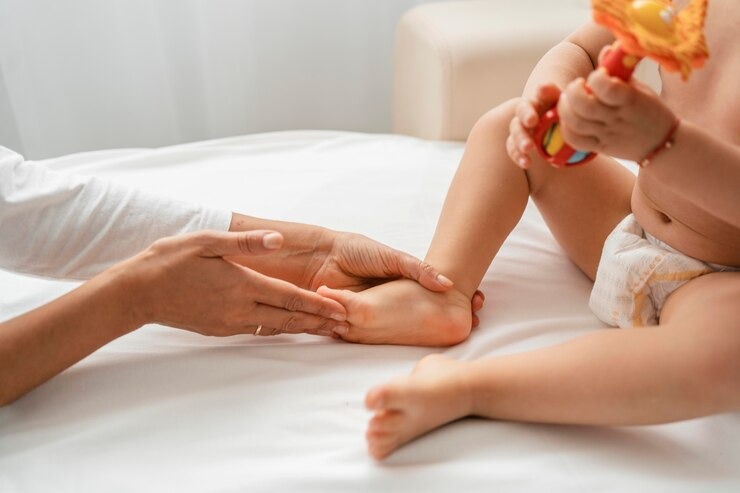
Clubfoot and Other Foot Problems
Clubfoot, medically known as congenital talipes equinovarus or CTEV, is a condition in which a baby’s foot is turned inward and downward.
Little Bones provides treatment for clubfoot and other ankle and foot problems. Its listed services include correction using the Ponseti casting method, treatment of recurrent clubfoot, tendon transfer procedures, minimally invasive soft-tissue and bony procedures, and management of flat feet and foot or ankle malalignment.
Early evaluation is important because treatment can often begin during infancy. The appropriate approach depends on the child’s condition and response to treatment.
Cerebral Palsy and Movement Problems
Cerebral palsy can affect movement, posture, muscle tone, and coordination. Children with cerebral palsy may have difficulty walking, maintaining balance, or performing certain movements.
Little Bones lists cerebral palsy among its pediatric orthopedic services.
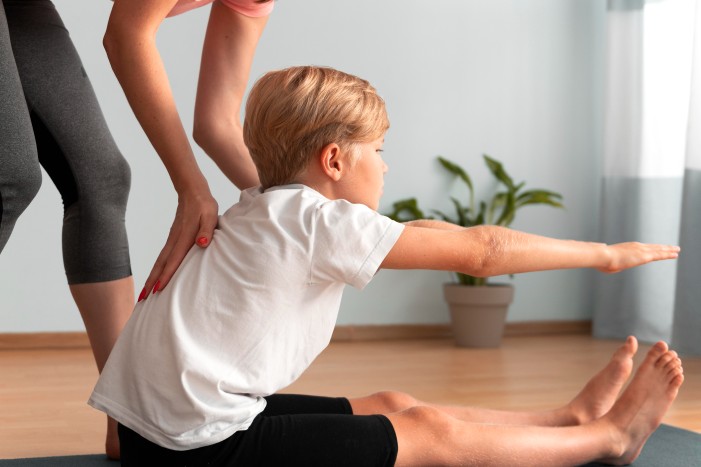
Orthopedic care may focus on musculoskeletal problems that develop alongside cerebral palsy. Depending on the child’s needs, management may involve physiotherapy, orthotic support, monitoring, or surgical procedures.
A multidisciplinary approach can be useful for children with complex movement and developmental needs.
Our Google Maps location for physical visit
Congenital Bone and Joint Conditions
Some orthopedic conditions are present at birth. These congenital conditions may affect the shape, alignment, or development of bones and joints.
Little Bones includes congenital conditions among its pediatric orthopedic services.
The treatment approach depends on the specific condition. Some children may require monitoring, while others may need casting, bracing, physiotherapy, or corrective surgery.
Early diagnosis gives parents a clearer understanding of the condition and available management options.
Limb-Length Differences
Differences in limb length can occur for several reasons. A child may be born with a difference, or it may develop following an injury, infection, or growth-related problem.
Significant limb-length differences can affect walking, posture, and overall movement.
Little Bones lists limb lengthening among its pediatric orthopedic services.
A specialist can measure the difference and assess how it may change as the child grows. Treatment decisions depend on the child’s age, the size of the difference, and the underlying cause.
Pediatric Bone Infections
Bone infections require timely medical assessment. They can cause pain, swelling, fever, reduced movement, or difficulty using an affected limb.
Little Bones lists bone infections among the conditions managed by its pediatric orthopedic team.
The etiology and severity of the infection determine the course of treatment. A healthcare professional may recommend investigations and appropriate medical or surgical treatment.
Parents should seek medical attention promptly if a child develops unexplained bone or joint pain accompanied by fever or swelling.
Pediatric Bone Deformities
Bone deformities can affect the legs, feet, arms, or spine. While some develop during growth, others are present from birth.
Examples can include bow legs, knock knees, clubfoot, scoliosis, and other alignment problems.
Little Bones specializes in pediatric deformity correction. Its services include software-guided deformity corrections and other orthopedic procedures.
The treatment depends on the child’s age, growth stage, deformity, and severity. Some conditions can be monitored, while others may require corrective treatment.
Scoliosis and Spinal Alignment Problems
The abnormal lateral curvature of the spine is known as scoliosis. It can become noticeable as children grow.
Signs may include uneven shoulders, an uneven waistline, one shoulder blade appearing more prominent, or changes in posture.
Little Bones‘ pediatric orthopedic information includes scoliosis among the conditions that may be evaluated by its specialist.
A specialist can assess the child’s posture and determine whether observation, further investigation, or treatment is appropriate.
If any of these symptoms appear, you should consult the Best Paediatrics Ortho Doctor In Noida without delay.
Sports Injuries in Children
Childrenwho participate in sports mayexperience injuries involving bones, joints, muscles, and ligaments.
Common injuries can result from falls, sudden movements, overuse, or direct impact. Little Bones provides pediatric trauma care and discusses sports-related injuries among pediatric orthopedic concerns.
Proper assessment is important because children are still developing. Treatment should support healing while considering their continued growth and return to activity.
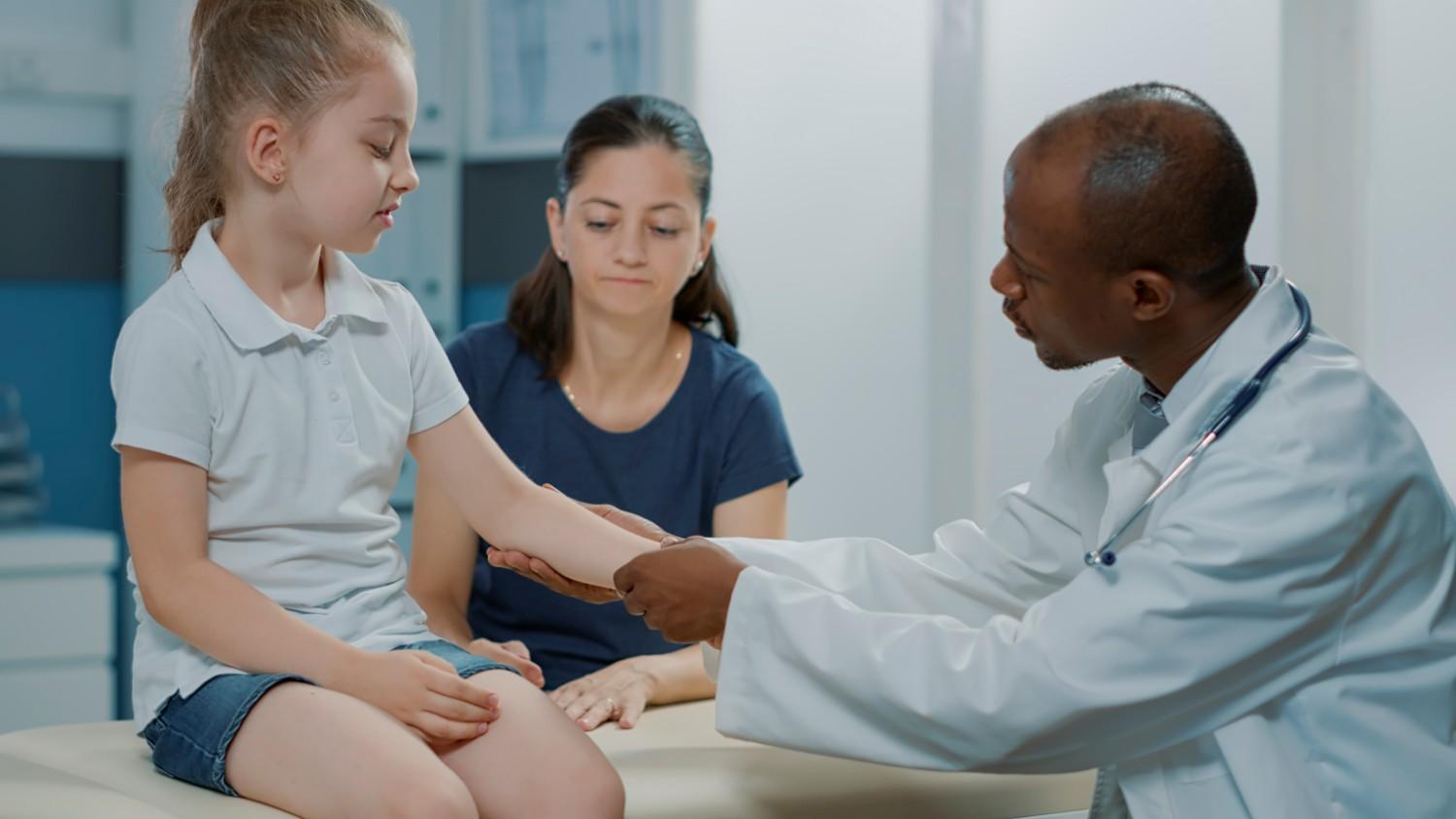
How a Child Orthopedic Surgeon Evaluates a Child
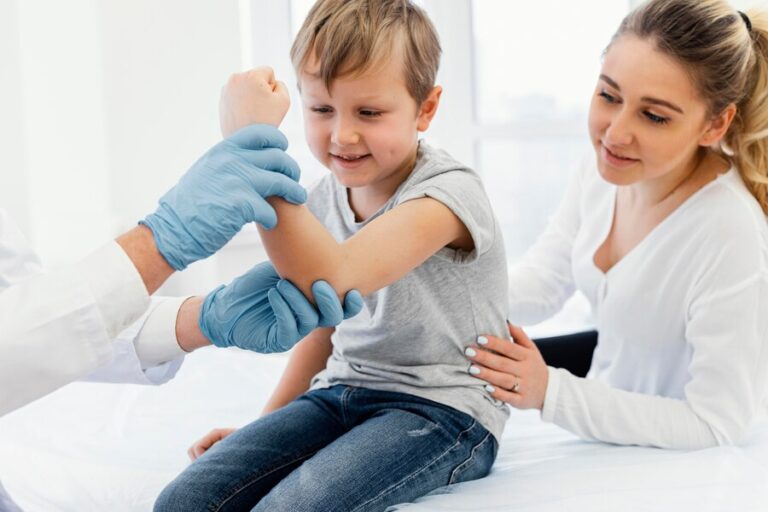
A pediatric orthopedic consultation usually begins with a detailed discussion of the child’s symptoms and medical history.
The specialist may assess:
- Walking pattern
- Joint movement
- Muscle strength
- Bone alignment
- Posture
- Growth and development
- Previous injuries
- Pain and other symptoms
Imaging may also be recommended when necessary. Little Bones states that X-ray services are available and that diagnostic tools may be used to assess pediatric orthopedic conditions.
The results help the specialist understand the condition and discuss appropriate treatment options with the parents.
Non-Surgical Treatment Options
Not every orthopedic condition requires surgery. In many pediatric cases, conservative treatment may be appropriate.
Depending on the diagnosis, non-surgical care may include:
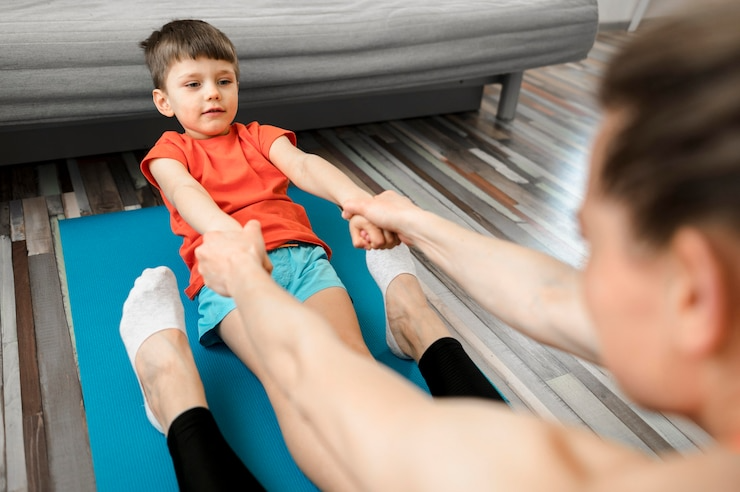
- Physiotherapy
- Casting
- Bracing
- Orthotic support
- Activity modification
- Observation and regular monitoring
Little Bones emphasizes individualized treatment based on the child’s condition and development.
The specialist can explain whether conservative management is suitable and how progress will be monitored.
When Is Surgery Considered?
Surgery may be considered when a condition is severe, causes significant functional problems, does not respond to conservative treatment, or requires structural correction.
Little Bones provides several pediatric orthopedic surgical services, including deformity correction, limb-lengthening procedures, Ilizarov surgeries, and selected procedures for clubfoot.
The decision to operate is made after evaluating the child’s condition, age, growth stage, and expected benefits and risks.
Why Choose Little Bones for Pediatric Orthopedic Care?
Little Bones focuses specifically on pediatric orthopedic and deformity correction services. The clinic states that Dr. Pritish Singh is a pediatric orthopedic and deformity correction surgeon who manages children’s bone and joint conditions.
The available services cover a broad range of pediatric orthopedic concerns, including trauma, fractures, hip disorders, clubfoot, cerebral palsy, congenital conditions, limb-length differences, bone infections, and deformities.
For parents looking for a Child Orthopedic Surgeon in Faridabad, the clinic also lists pediatric orthopedic and deformity correction services at Amrita Hospital in Faridabad.
When Should Parents Consult a Specialist?
Parents should consider an orthopedic evaluation if their child has persistent pain, repeated falls, limping, difficulty walking, unusual posture, visible deformity, or restricted joint movement.
A consultation may also be appropriate after a significant injury or when a child has been diagnosed with a congenital or developmental orthopedic condition.
Early assessment does not always mean that surgery is required. It simply helps identify the problem and determine whether observation, therapy, or active treatment is needed.
Conclusion
Children can experience a wide range of orthopedic conditions as they grow and develop. These may include fractures, hip disorders, clubfoot, cerebral palsy, congenital conditions, limb-length differences, bone infections, deformities, and growth-related problems.
Little Bones provides specialized pediatric orthopedic services covering these conditions and offers both non-surgical and surgical treatment options based on individual needs.
If you are searching for a Child Orthopedic Surgeon in Faridabad, a timely consultation can help identify the cause of your child’s orthopedic concern and guide you toward appropriate care. At Little Bones, the focus is on evaluating each child carefully while considering growth, development, mobility, and long-term orthopedic health.